
 D D
D DUsually, after two decades of being out and about, away from home, and living almost alone for a fair part of my married life (Satish was working in different cities for paapi pet), someone like me would tend to think, “Okay, I have seen and known it all.”
Being “outgoing” for more than two decades teaches you a lot. I know the safe places, the safe times, how to manoeuvre out of an unsafe situation and, more importantly, how to protect myself.
Back in 2014, when I was living in pseudo-Chennai — Gudvancherry-Chengalpattu — I used to go for 12–14 km walks from Estancia apartment/Zoho office to Mahindra World City. The highway hadn’t become as commercial as it is today. After SRM College, there wasn’t much traffic. The service lanes had nice mud paths and fresh breeze — sea breeze, I know 😊 — would come in during the evenings.
Even those walks had a safety calculation built into them.
Leaving at 4 pm meant the sun was going down and wouldn’t hit my skin harshly. By 6–6:30 pm, I would reach MWC Club, making sure I was in a safe place by sunset.
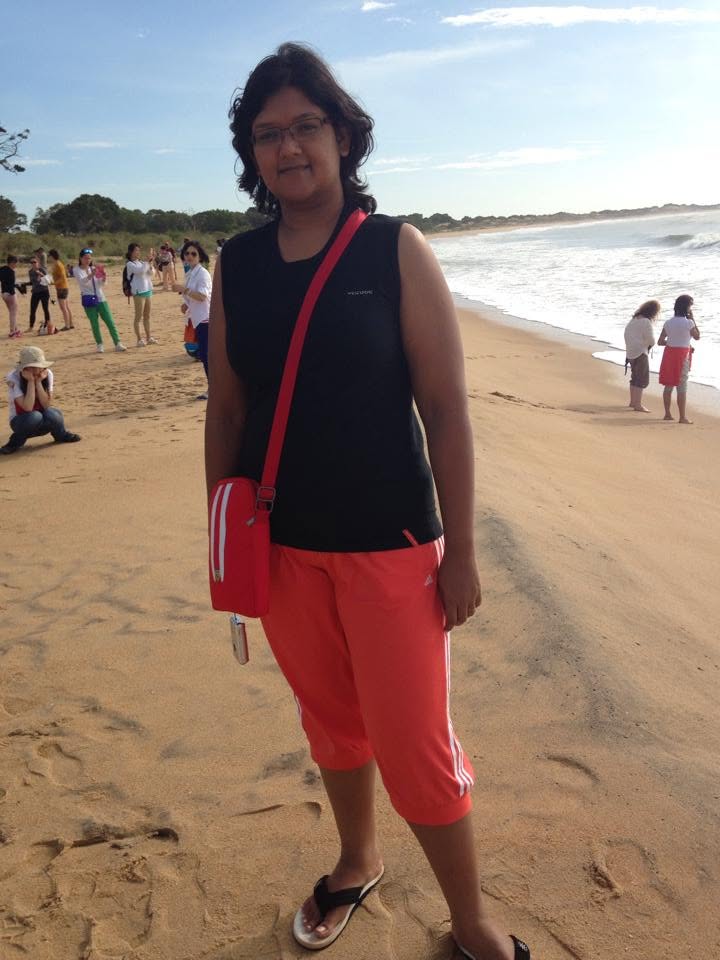
A tiny sling bag carried only my mobile phone and a debit/credit card. Keeping my hands free was deliberate.
Short hair had its own advantages. Along with that, I kept my nails absolutely trimmed and short so that if I ever had to get into physical combat, my feminine beauties wouldn’t come in the way.
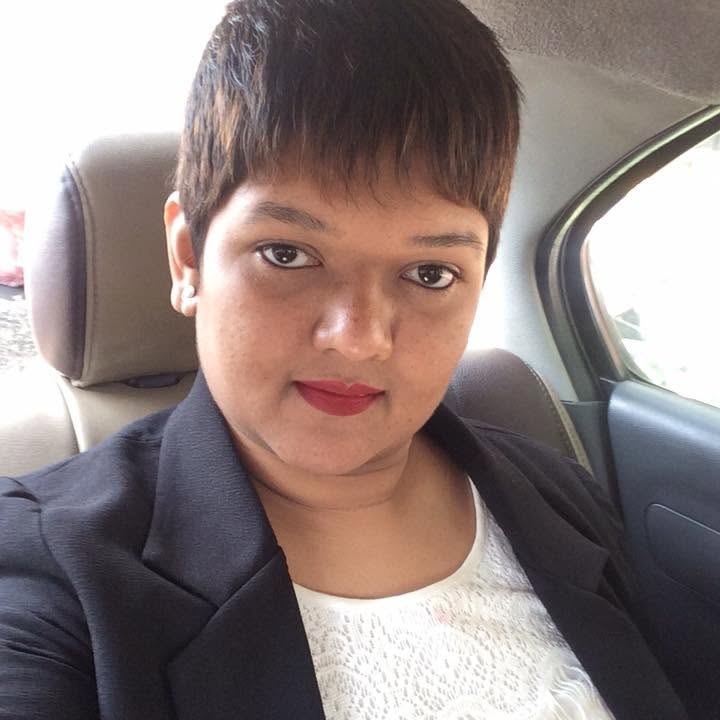
At 5’10”, I am not exactly someone who can be pinned down by a blow from the front. Even from behind, if someone suddenly tried to tease me, chances are my reflex action would bring him to the ground before I even saw his face. If you know me well, you know I ain’t exaggerating.
The 95–98% figure I sometimes quote about men in this country being physically shorter and weaker than me is completely my guesswork, based on the sample size of people around me. 😂
Growing Up With Safety as a Life Skill
School was no different in some ways. I was the person other, weaker, more feminine girls would come to if they needed help crossing a road, going somewhere near school, or simply wanted their parents to feel safe about them being with someone.
A few men who dared to misbehave with me in broad daylight in public places have also been slapped and kicked by me.
I wouldn’t think twice before saying that I am sure every woman in this country has been groped a few times.
Ah, that’s BAU.
So I am not expecting sympathy or solidarity on that point. The important thing is that I settled my scores immediately. I am capable of taking care of myself — physically and mentally.
Nirbhaya’s brutal rape is something I still have to remember only briefly to go from 0 to 100 on the anger barometer. That anger doesn’t disappear simply because the perpetrators may have met their fate. Most women, I suspect, know exactly what I mean.
My personal safety setup, therefore, would probably score a 9.5/10.
For the last 20 years, my mother has never had to worry about my safety. She has never needed to ask whether it was safe for me to be somewhere, whatever the time of day or night.
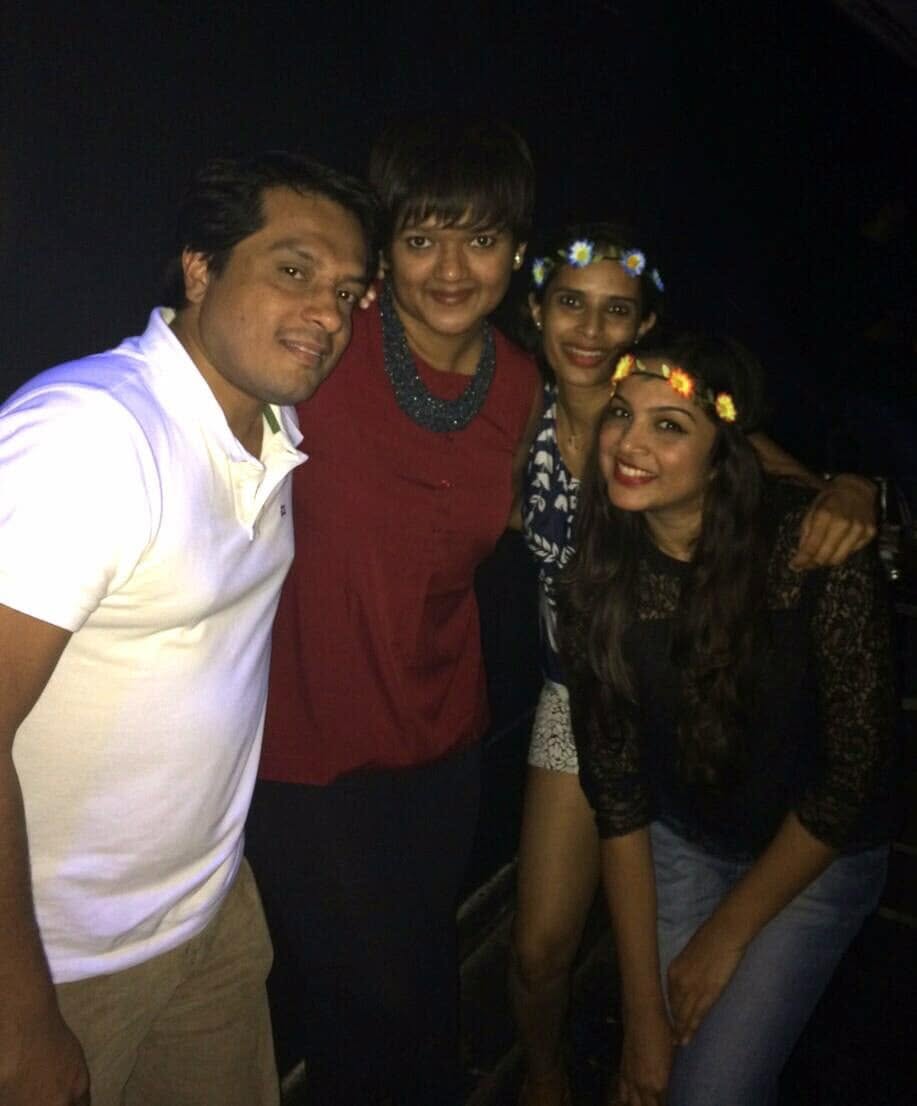
A few very kind and well-connected friends are also only a phone call away if I ever need muscle power or influence to get myself out of a situation.
The entire ecosystem is well-oiled when it comes to safety.
I could probably write a guidebook on it.
One small detail is worth mentioning: I am 43 years old. This mental and physical safety system has therefore been under construction for approximately 38 years.
My Solo Trip to Denmark and Norway
August 2026 brought my third solo trip. This time, however, the journey was longer and much farther from home.
Denmark and Norway were my destinations for 16 days.
Hotels, domestic trains and flights had all been booked in advance. Daytime activities, on the other hand, were deliberately left unplanned. I wanted to wake up each morning and decide what I felt like doing, what looked interesting and, yes, what felt safe.
However, something unexpected happened once I arrived.
Within no time, I was simply lost in the daily life of these two countries.
What Impressed Me About Denmark and Norway
Clean and healthy food, a simple culture, a different way of thinking, an apparent preference for keeping life natural and uncomplicated, and spectacular landscapes all impressed me enormously.
Japan remains, in my mind, the cleanest country I have visited. New Zealand remains the most beautiful. Several developed Asian and European countries have also given me the same initial exposure to a highly developed society.
Denmark and Norway therefore weren’t impressive merely because they were developed countries.
Something else caught my attention.
Ordinary life seemed effortless.
That doesn’t mean the cost of living is low or that everything is perfectly taken care of by the government. That’s not my point.
What fascinated me was how countries where people seemingly work fewer hours and students seemingly spend fewer hours studying can still lead charts on so many parameters that actually affect everyday life.
I think you get the drift.
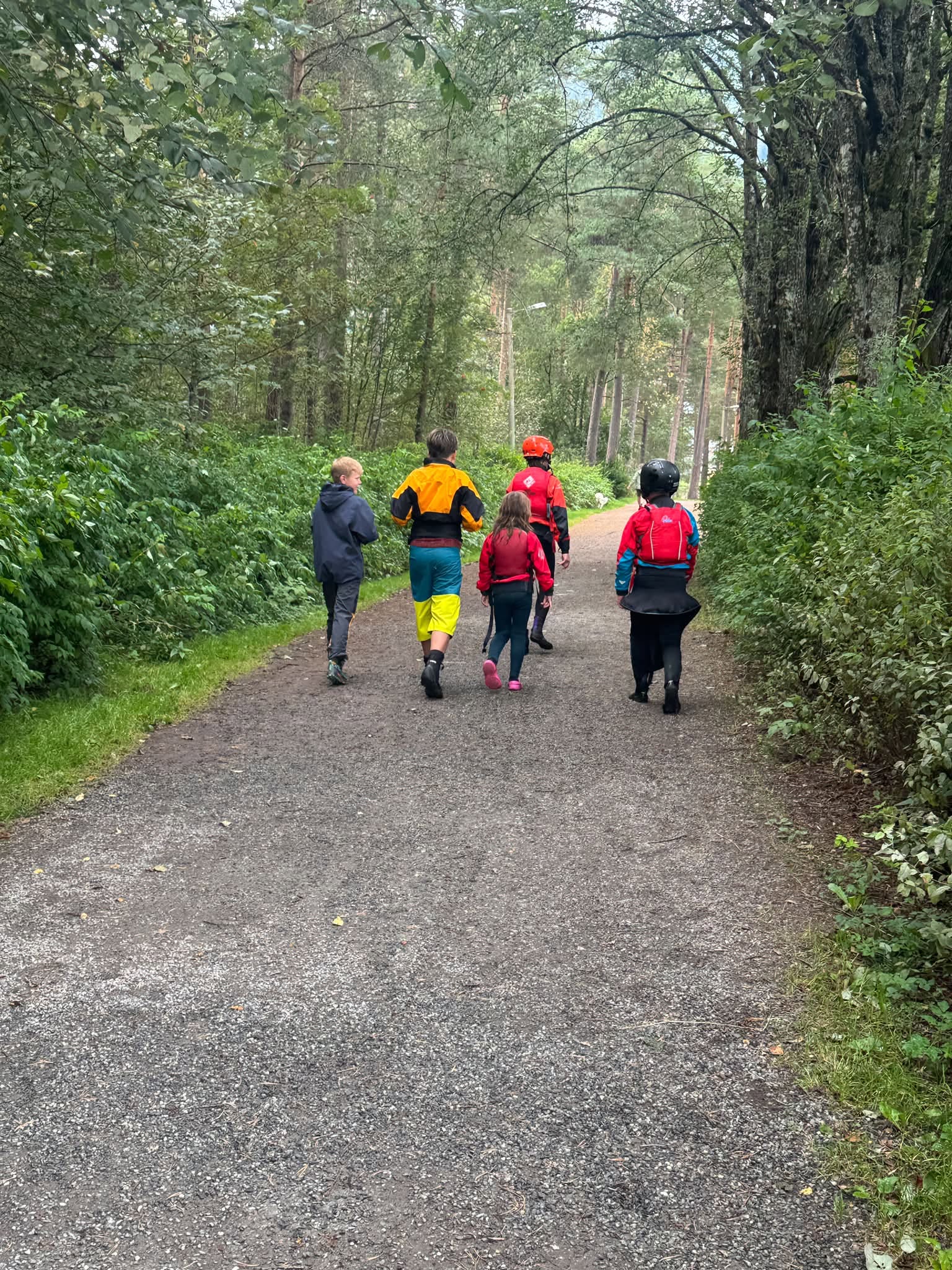
Experiencing Everyday Life in Norway
Over 16 days, I clicked approximately 1,350 photos and videos so that I could relive the experience long after coming home.
Everything seemed enchanting.
Take Voss, for example.
In India, getting to a place like Voss would probably involve a trek, several changes of transport, questionable roads and some advance planning around food and water. Think about what it takes to get to a place like Kalimpong.
Norway made it ridiculously simple.
Get into a train.
Get out of the train.
There you are.
Voss.
I hope I am making sense.
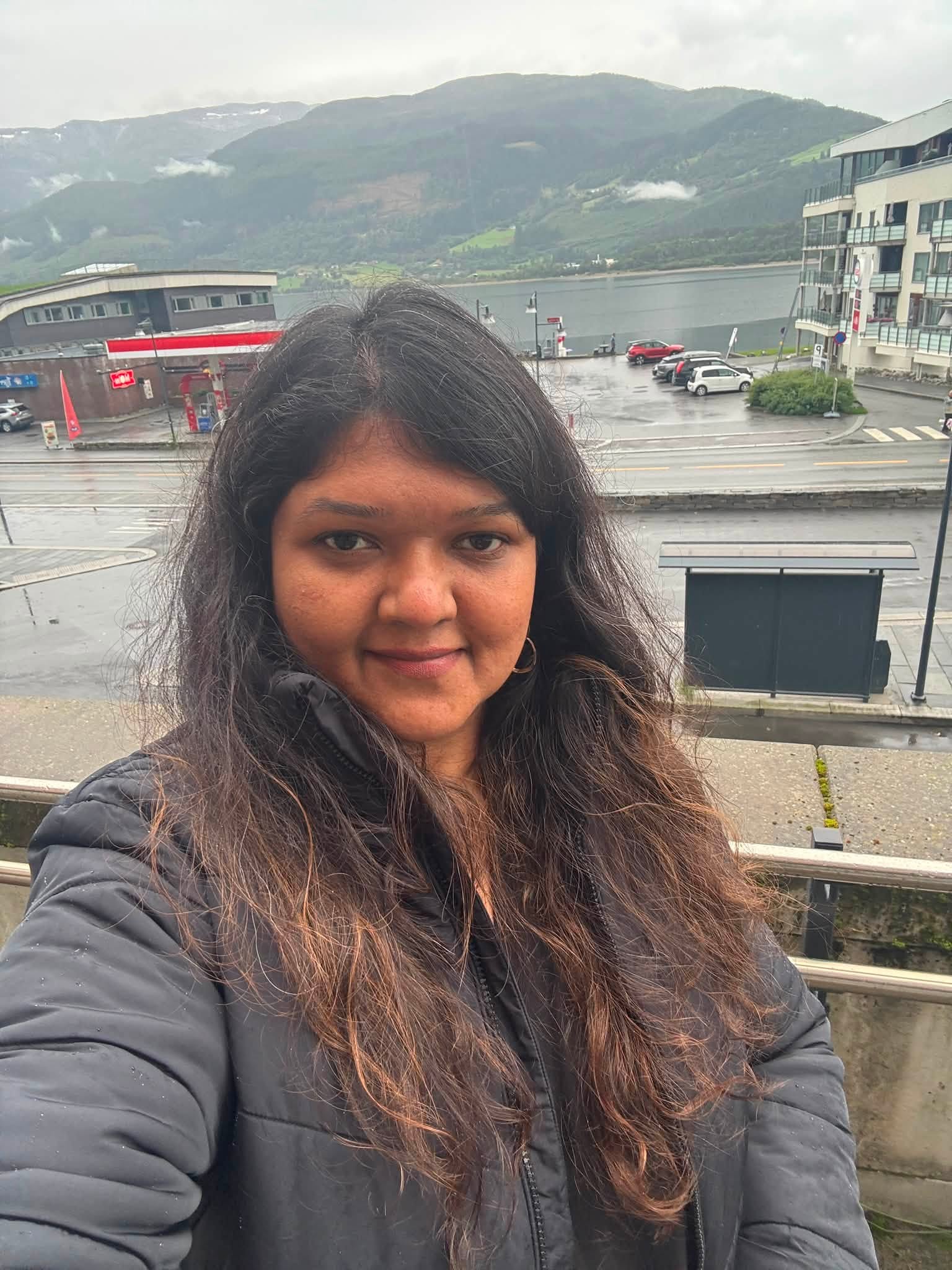
Every day seemed to bring another version of heaven.
Pesticide-free food, fruits I had never even seen in India, and enough beetroot to make my pee turn red for the first time in my life. 😂

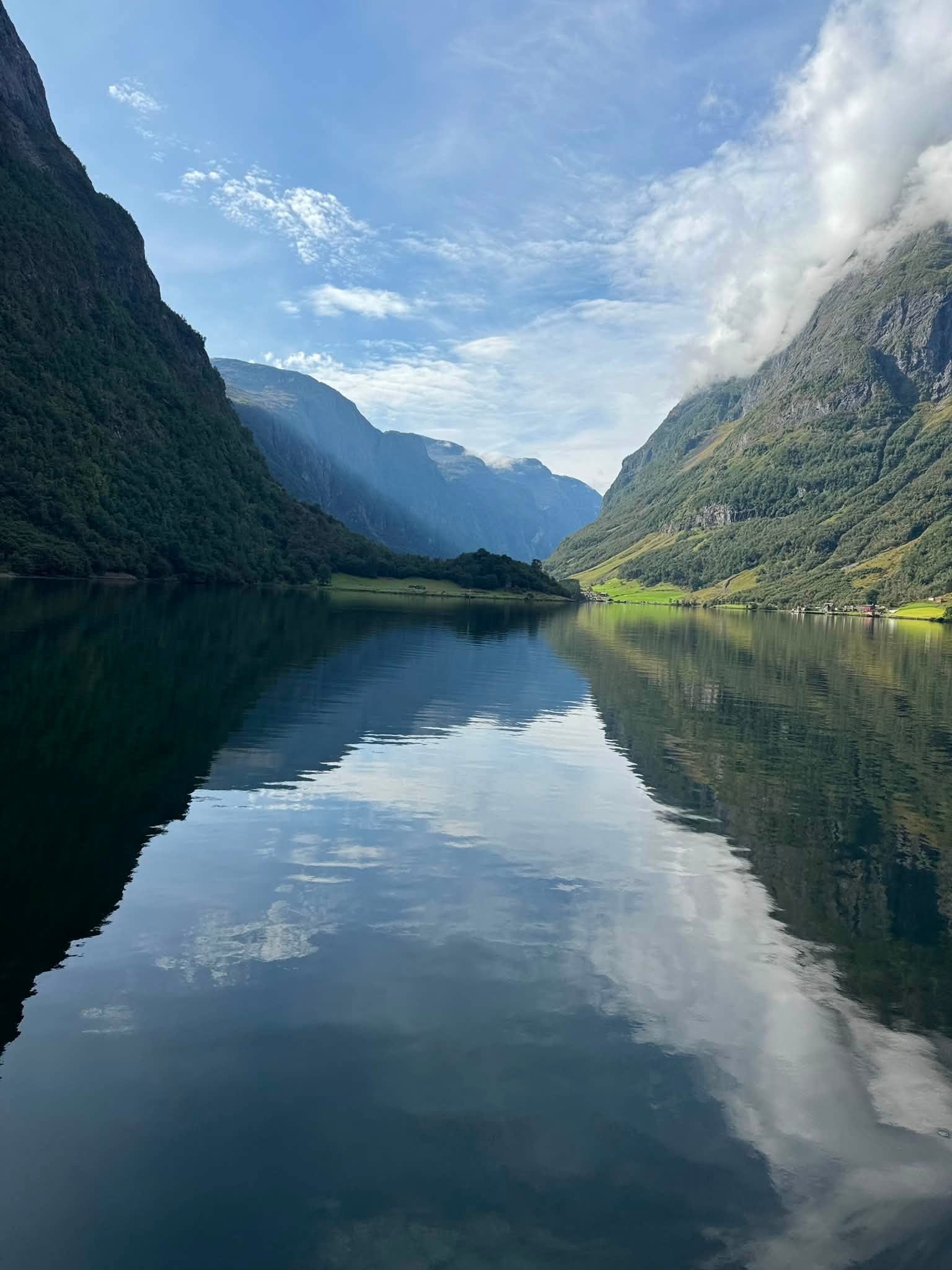
Flåm came with one of the most picturesque train journeys I have ever experienced. Waterfalls, rivers, hills, valleys and fjords followed one another.
Viking villages, cinnamon buns, brown cheese, skyr 🙂, byggryn, stave churches, museums, walks around Nordnes and penguins became part of those 16 days.
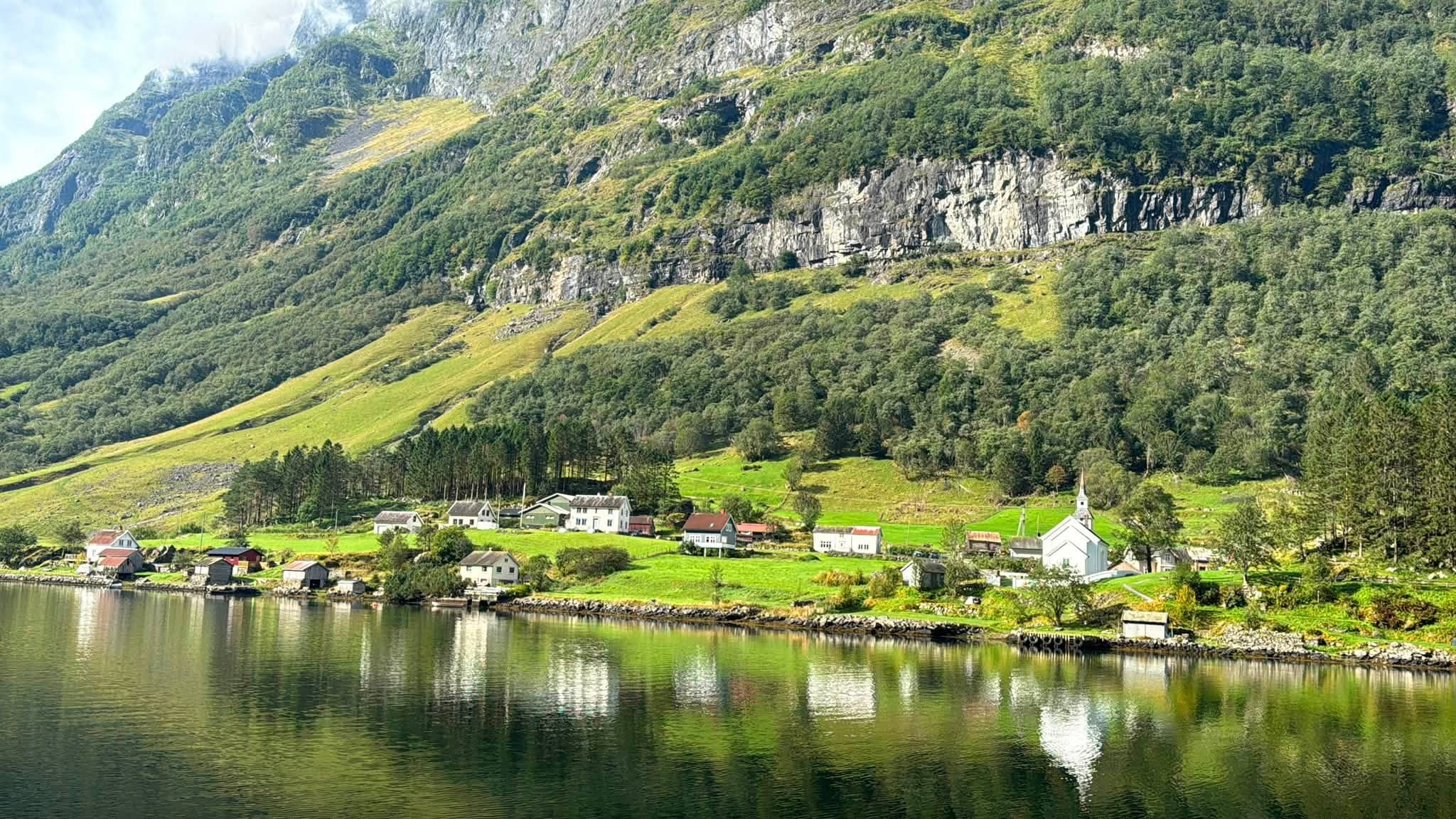
Everywhere I looked, there seemed to be something new to experience.
Coming Back to India Was Harder Than Expected
The flight back to Bangalore brought the usual traveller’s gloom.
Travellers don’t want good things to end. I knew that feeling well, so I allowed myself to be gloomy, assuming that routine would eventually take over and everything would return to normal.
Three weeks later, that hasn’t happened.
Initially, I thought I was missing the privileges of developed countries — clean air, food, water, no traffic, no honking, no loudspeakers, no litter and so on.
Adventure seemed like another possible explanation. Perhaps I simply missed the thrill of discovering somewhere new.
Eventually, however, something much deeper became clear.
I wasn’t simply missing Norway.
I was grieving something I didn’t even know I had lost.
What Denmark and Norway Taught Me About Women’s Safety
For 38 years, I had spent my life planning, plotting and mastering a life skill that, in an ideal world, should never have been necessary in the first place.
Safety.
What a hell hole are we women living in that so much of our mental conditioning revolves around it?
Girls learn this from childhood. When to leave. When not to leave. Which roads to take. Which roads not to take. What to carry. What not to carry. Who to call. How to react. How to read a situation.
Sometimes we don’t even realise we are doing it anymore. The conditioning becomes so deeply embedded that it starts feeling like common sense rather than a burden.
The First Time I Forgot About My Safety
For the first time in 43 years, I experienced something I had never experienced before.
My mind simply forgot to think about my safety.
Not once.
There was no calculation before making a plan. No thought about whether a particular road was safe. There was no concern about what time I would return. No subconscious scan of who was around me.
Nobody in Denmark or Norway told me, “We are a safe country. Don’t worry.” There were no special signboards or extra deployment of police and security personnel for my brain to pick up as cues that I was safe. Nothing unusual happened. Yet my brain simply switched off that entire department.
For 16 straight days, my life revolved around what I wanted to do rather than whether it was safe to do it.
It just FELT safe.
That distinction is enormous.
The Difference Between Being Safe and Feeling Safe
Men may find this difficult to completely understand because they don’t grow up the way girls and women in India do.
Being physically capable of protecting yourself is not the same thing as never having to think about protecting yourself.
For 43 years, I thought one of my biggest differentiators was that I could take care of myself.
Now I wonder whether that strength was also evidence of something else.
I had spent 38 years becoming exceptionally good at solving a problem that should never have been mine to solve.
My independence had partly been built around the ability to manage risk.
Denmark and Norway showed me what independence feels like when risk doesn’t occupy the background of every decision.
What Does Freedom Actually Feel Like?
For 43 years, I thought I was independent because I knew how to keep myself safe.
It took me 16 days in Denmark and Norway to realise that perhaps true independence is not having to think about safety at all.
Now I have a rather strange problem.
I know what that feels like.
I know what it feels like to wake up in the morning and think only about what I want to do that day.
To decide to walk somewhere without calculating the time.
or, to get into a train without thinking about who might be around me.
To wander around a new place without constantly scanning my surroundings.
To make a plan based entirely on curiosity rather than risk.
For 16 days, I wasn’t brave.
I didn’t have to be.
Perhaps that is why coming back has been harder than I expected.
I haven’t just come back from Norway.
I’ve come back knowing that there is a version of life in which a woman can simply exist without constantly having to engineer her own safety.
I spent 38 years becoming very, very good at surviving a problem that I had quietly accepted as part of being a woman.
And I wish I had discovered earlier that I was solving a problem that should never have been mine in the first place.
Comments
Powered by Facebook Comments